La virgen roja Colonna sonora (2024) OST
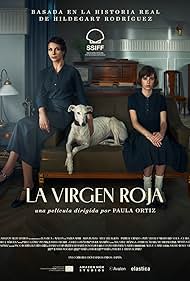
Hildegart is conceived and educated by her mother Aurora to be the woman of the future, becoming one of the most brilliant minds of the Spain of the 30s and one of the European references on female sexuality. At 18, Hildegart begins to experience freedom and meets Abel Vilella, who helps her explore a new emotional world and break away from her mother's rigid nest. Aurora fears losing control over her daughter and does everything she can to prevent Hildegart from moving away. The two women will confront each other during a summer night in 1933, putting an end to the "Hildegart Project".
Acquista film La virgen roja
Buy nowAscolta La virgen roja (2024) Colonna Sonora
| Giocare | Titolo | Artista | |
|---|---|---|---|

|
La virgen roja |
Maria Arnal: scrittore, esecutore
|
|
|
|
Misteriosa Mujer |
Antonio Machín: esecutore
Armando Valdespí: scrittore
|
|
|
|
Zapatitos de charol |
Manuel L. Quiroga: scrittore
Rafael de León: scrittore
José Antonio Ochaíta: scrittore
Concha Piquer: esecutore
|
|
|
|
Rancherita |
Jaime Mestres Pérez: scrittore
Carmelita Aubert: esecutore
|
|
|
|
Abuzz in the Joice Joint |
John Rowcroft: scrittore
|
|
|
|
Himno del Riego |
José Melchor Gomis: scrittore
|
|
|
|
Habanera para Aurora |
Pepín Rodríguez Arriola: scrittore
|
|
|
|
Vámonos |
José Alfredo Jiménez: scrittore
|
|
|
|
Nicole et Christian |
Dan T. Baker: scrittore
|
|
|
|
Waltz Nº7, Op. 64 Nº2 |
Frédéric Chopin: scrittore
|
|
|
|
La Internacional |
Pierre Degeyter: scrittore
Eugène Pottier: scrittore
|
Film correlati...